
The Rise of the Cities Part 2: The birth of the Proto-City
Man's first steps towards urban life

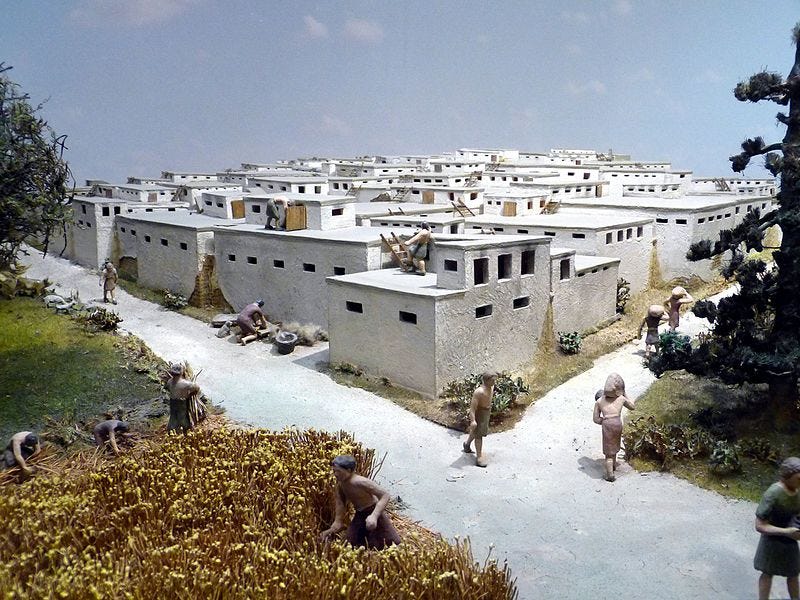
On a cold November day in 1958, archaeologist James Mellaart arrived at a mound near Konya in the Anatolian plateau of Turkey. The mound was 450 meters long and covered an area of 32 acres.
Mellaart excavated the mound between 1961 and 1966, unveiling an incredible human settlement. Rectangular mud-brick houses that were close together and set up in a geometric pattern gave the impression that they were the remains of an old city. The site had painted walls, bull’s heads, human burials, and fertility figurines.
Did Mellaart unearth a long-lost civilization?
With his trained eye, Mellaart could tell that he had found a Neolithic settlement. But the size of the “city” made many people wonder if stone age people could build a complex urban center. Any suspicions about the site being a Neolithic community were dispelled when it was dated.
Çatalhöyük, was the name of the mound that Mellaart discove…
Keep reading with a 7-day free trial
Subscribe to Forgotten Footprints to keep reading this post and get 7 days of free access to the full post archives.